
Can a better cup start before the water even hits the coffee? Absolutely. In 2026, one point is clearer than ever: grinding correctly is still the fastest, cheapest way to improve flavor at home.
You do not need a café setup to taste the difference. What you need is fresher coffee, a more consistent grind, and a simple method you can repeat day after day.
Why grinding matters so much
The grind controls how water moves through coffee, and that directly affects extraction. If the particles are too fine, the cup can turn bitter and heavy; if they are too coarse, it can taste weak, sour, or hollow.
That is why good coffee is not only about buying better beans. Even excellent beans can produce a disappointing cup when the grind size is off or the particle distribution is too uneven.

The 10 tips that really matter
1. Grind right before brewing
Once coffee is ground, it loses aromatic intensity quickly as more surface area is exposed to air. The best rule is still the simplest one: grind immediately before brewing whenever possible.
2. Upgrade from blades to burrs
Blade grinders chop coffee unevenly, while burr grinders produce a more consistent particle size. That consistency helps reduce the mix of over-extracted and under-extracted flavors in the same cup.
3. Match the grind to the brew method
There is no universal grind size. French press and cold brew need coarse coffee, filter coffee sits around medium to medium-fine, and espresso needs a much finer setting.
4. Use a scale every time
Consistency starts with measurement. For filter coffee, a common starting point is 1 gram of coffee for 15 to 17 grams of water, while espresso often begins around a 1:2 brew ratio.
5. Adjust grind size before changing everything else
When a cup tastes wrong, the first correction is usually the grind, not a complete reset of the recipe. Bitter coffee often needs a slightly coarser grind, while sour or weak coffee often improves with a slightly finer setting.
6. Recalibrate when you change beans
Different coffees do not behave the same way in the grinder or during extraction. Roast level, origin, and processing can all shift the ideal setting, so a new bag often needs a new dial-in.
7. Clean your grinder regularly
Old coffee particles and accumulated oils can muddy flavor and add stale notes to every cup. Regular brushing and routine maintenance will keep the grinder performing better and the cup tasting cleaner.
8. Pay attention to retention
Retention is the coffee left inside the grinder after a dose has been ground. That leftover coffee can mix with the next dose and reduce freshness and consistency, especially for espresso brewing.
9. Consider a single-dose workflow
Single dosing means weighing only the beans you need for one brew, then grinding that exact amount. It is one of the easiest ways to improve freshness, reduce waste, and switch more easily between different coffees.
10. Use RDT when static becomes a problem
The Ross Droplet Technique, often shortened to RDT, uses a tiny amount of water on the beans before grinding. It can help reduce static, limit mess, and make dosing cleaner and more consistent.
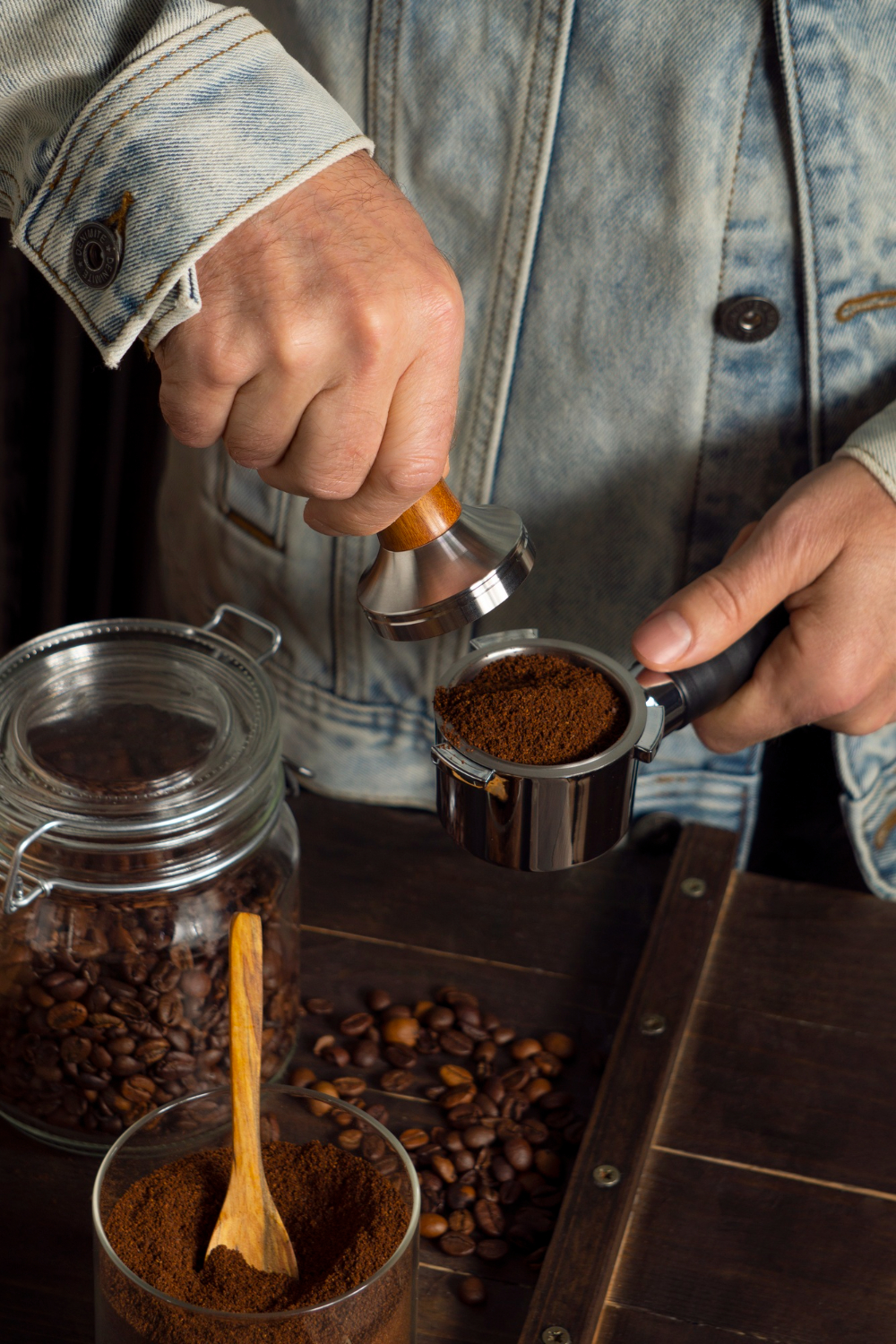
Grind size guide
Here is a practical reference table readers can use as a starting point. These settings are not strict rules, but they are a reliable base for dialing in at home.
| Brew Method | Recommended Grind | Easy Texture Reference |
|---|---|---|
| Espresso | Fine | Fine table salt |
| Pour-over / V60 | Medium-fine | Table salt |
| Drip coffee maker | Medium | Regular sand |
| French press | Coarse | Sea salt |
| Cold brew | Extra coarse | Very coarse crystals |
| Turkish coffee | Extra fine | Flour-like powder |
Practical advice for home brewers
Start with one recipe, one coffee, and one brew method. Then change only one variable at a time, because that is the easiest way to understand what the grinder is really doing to the cup.
A simple notebook or app can make a real difference: write down the dose, grind setting, brew time, and a few tasting notes. Good coffee at home is rarely about luck; it is usually the result of small, repeatable adjustments.
The main takeaway is simple: before buying a new machine or another gadget, fix the grind. Fresh beans, a burr grinder, the right grind size, and clean, repeatable habits will improve most home coffee setups far more than people expect.